





Charlotte summers are hot and humid, and that weather sits right over your attic every day. Without the right attic ventilation, heat and moisture build up, your energy bills rise, and your roofing system ages faster than it should. This guide explains how ventilation works, the problems it solves for homes in the Charlotte, NC area, and the clear signs you may need an upgrade.
Quick help: If you prefer a specialist to check your home, you can book a free roof inspection in minutes. Visit Roofing Service or Contact Us.
Why attic ventilation matters in Charlotte
Charlotte sits in a warm, humid climate for much of the year. That combination pushes heat and moisture into your attic through everyday activities like cooking and showers, and through air leaks and insulation gaps. Proper intake and exhaust ventilation keeps the attic close to outdoor temperature, helps remove moisture-laden air, and reduces the load on your HVAC.
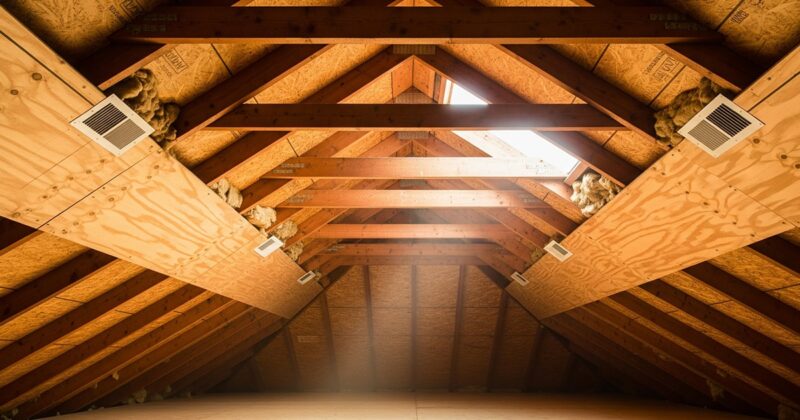
Benefits for local homeowners
- Lower attic temperatures that ease strain on shingles and underlayment.
- Moisture control that helps prevent mold, mildew, and wood rot.
- Better indoor comfort and more stable energy bills during long heat waves.
- Longer roof life when ventilation works with a well-installed roofing system.
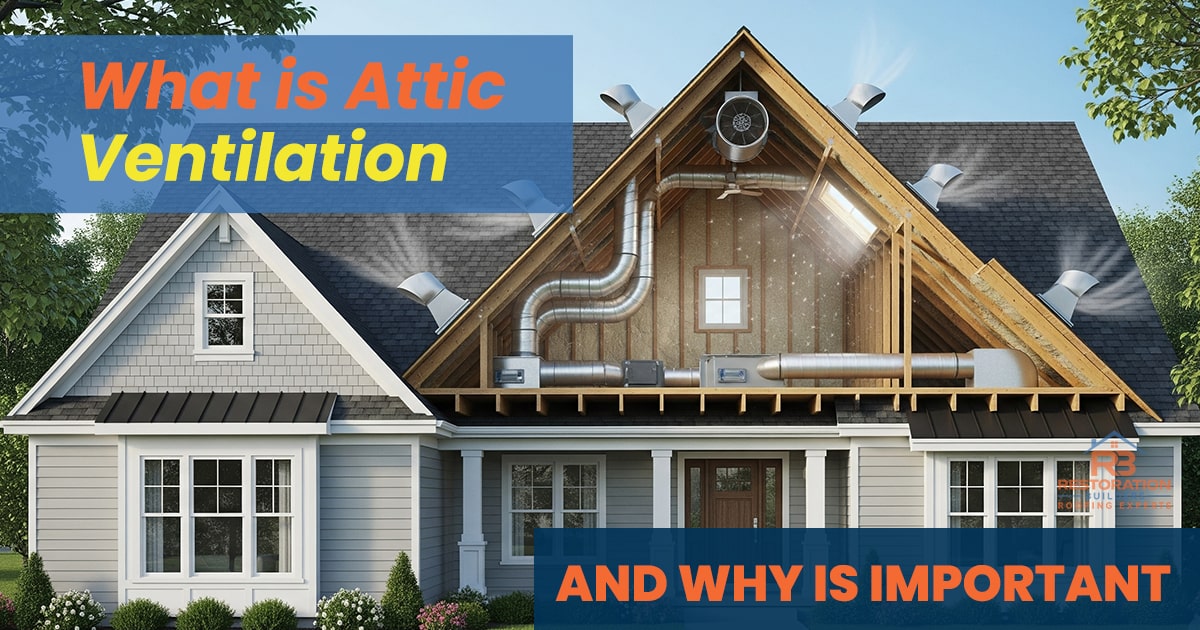
To learn the basics behind airflow and balanced systems, see What Is Attic Ventilation.
Problems proper ventilation solves
1) Excess heat that cooks your roof
In summer, an unventilated attic can climb far above outdoor temperature. That heat radiates into the living space and can cause premature shingle aging. Balanced ventilation releases trapped heat so shingles and underlayment stay within their design range.
2) Humidity and condensation
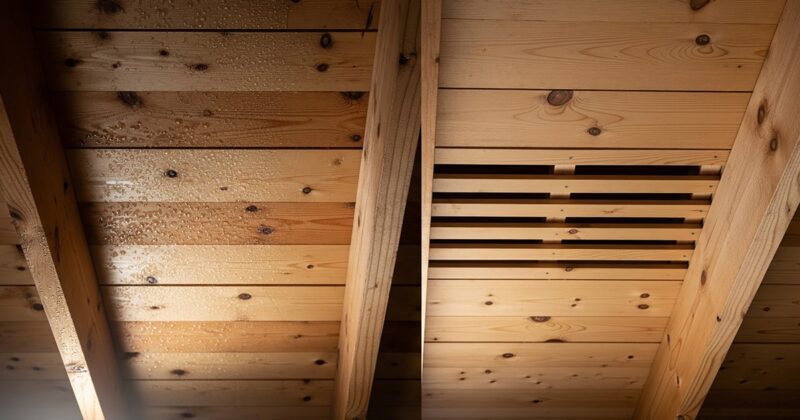
Warm moist air rises into the attic and condenses on cooler surfaces. Over time this can lead to mold, musty odors, rusted fasteners, and delaminated plywood. Continuous airflow helps carry moisture out before it condenses.
3) Ice at the roof edge in rare cold snaps
Charlotte does not see long winters, yet sudden cold spells can still create minor ice damming when warm attic air melts snow that later refreezes. Good ventilation reduces the temperature difference that drives this cycle.
4) High energy costs
Attics that stay hot push your AC to work harder. A well-ventilated and well-insulated attic can contribute to more efficient cooling and steadier comfort.
Signs you may need a ventilation upgrade
- Attic feels like a sauna even in the evening.
- Musty smell or visible mold on rafters or the back of roof sheathing.
- Peeling paint or swollen trim around upper floors.
- Shingle granules collecting in gutters faster than expected.
- HVAC running nonstop or summer utility bills that seem high for your square footage.
- Frosting or dripping on nails or metal when temperatures swing.
- Uneven temperatures between floors, especially hot second stories.
If any of these look familiar, schedule a quick check through Roofing Service.
What “balanced ventilation” means
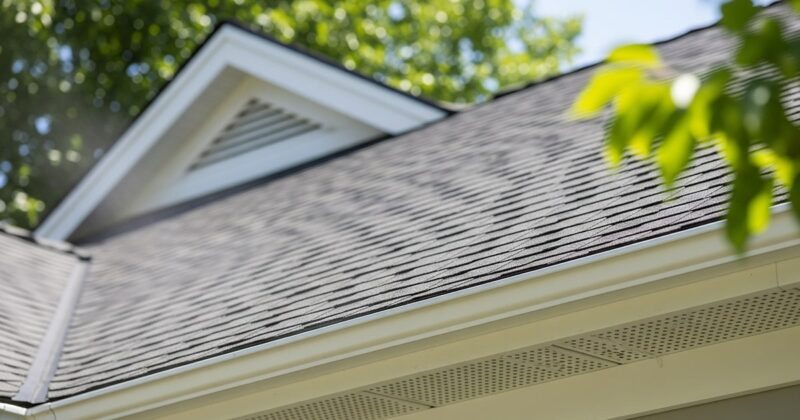
A healthy attic has both intake and exhaust so air moves in one path. Intake brings cooler air in through soffit vents. Exhaust lets warmer air exit at or near the ridge.
Common options
- Ridge vents at the peak create continuous exhaust along the roofline.
- Soffit vents provide even intake across the eaves.
- Gable vents can help in some structures but are not a full substitute for ridge and soffit.
- Powered attic fans move air with electricity. They can help certain homes yet must be sized and sealed correctly so they do not pull conditioned air from the living space.
A pro will check existing vent area, insulation levels, and air sealing to recommend a balanced plan for your home.
How much ventilation do most homes need
A common guideline is 1 square foot of net free vent area for every 300 square feet of attic floor area, split evenly between intake and exhaust, when the attic has a vapor barrier and typical Charlotte construction. Homes without a vapor barrier or with complex roofs may need more. Product net free area varies, so a site visit is the best way to size it correctly.
Does ventilation help with roof warranties
Many manufacturer warranties expect proper ventilation and installation practices. Inadequate airflow can lead to heat buildup that may affect coverage on materials. A balanced system supports shingle life and workmanship performance.
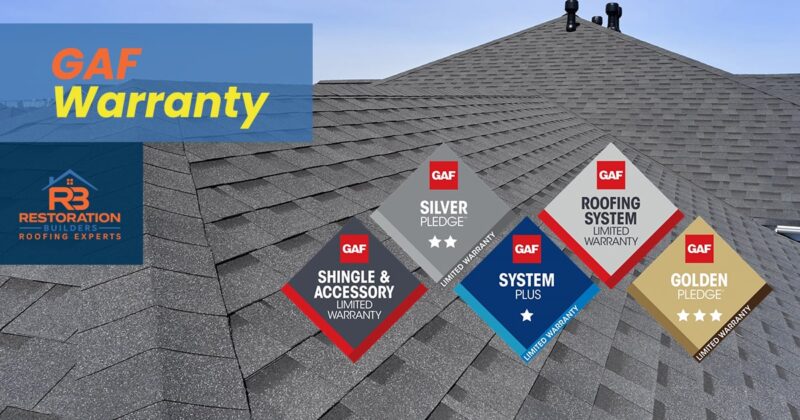
For details on coverage terms, read our overview in GAF Warranty, and contact our team with any questions.
Ventilation and roof replacement
If your roof is nearing the end of its life, upgrading ventilation at the same time protects the new system and helps you get full value from the investment. During a replacement, installers can add continuous ridge vents, correct soffit openings, and seal bypasses between the home and the attic.
Explore options and request a visit on our Roofing Service page.
Simple homeowner checks before you call
- Peek inside the attic on a warm afternoon. Note whether air feels stagnant or stuffy.
- Look for dark staining or mildew on the underside of the roof deck.
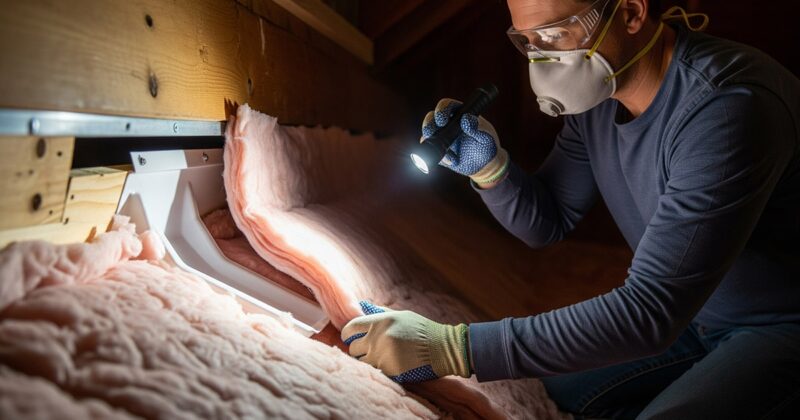
- Check that soffit vents are not blocked by insulation or paint.
- Confirm bathroom and kitchen exhaust fans vent outdoors, not into the attic.
If anything looks off, we are happy to help you create a plan that fits your home.
Frequently asked questions
Does attic ventilation bring in rain during storms? Quality vents are designed with baffles and filters that resist wind-driven rain. Correct installation and balanced intake and exhaust further reduce risk.
Will more ventilation always fix high summer bills? Ventilation helps, yet insulation, air sealing, and HVAC condition also matter. Many homes benefit most from a combined approach.
Can I add ridge vents without soffit intake? You can, yet performance is limited. Ridge vents work best with continuous soffit intake so air moves in one clear path.
How long does a ventilation upgrade take? Most projects are completed in one day once materials are on site, depending on roof design and access.
Next steps for Charlotte homeowners
- Read the basics in What Is Attic Ventilation.
- Visit our Roofing Service page to see how we evaluate airflow, insulation, and roof condition together.
- Have questions or want a quick opinion? Send us a message on Contact Us and our team will reply promptly.
Ready to breathe easier this summer? A balanced attic ventilation system can improve comfort, protect your roof, and support lower energy use in humid Charlotte weather.
Practical details Charlotte homeowners often ask about
Where does the moisture actually come from? Everyday living adds water vapor to your home from showers, cooking, laundry, houseplants, and even breathing. That air naturally rises. If ceiling penetrations are unsealed around recessed lights, bath fans, or pull-down attic stairs, the moisture reaches the attic and condenses on cooler wood. Air sealing these bypasses plus balanced ventilation reduces that risk.
What if the soffits look open but air still does not move? Many older homes have insulation pushed tight against the roof deck near the eaves. Installing baffle chutes keeps a clear air channel so outside air can reach the attic while insulation stays in place. Painters can also accidentally block soffit vents with overspray; a quick exterior check helps.
How do you calculate the vent area in the real world? As a simple example, a 1,500 square foot attic typically needs about 5 square feet of net free vent area split between intake and exhaust under the 1:300 rule. Because products list Net Free Area (NFA) per linear foot or per piece, we translate that into a combination of continuous ridge vent and evenly spaced soffit vents to meet the target.
Do powered fans help or hurt? They can assist in specific cases but must be installed thoughtfully. An oversized fan without adequate intake can pull conditioned air from your living space through tiny gaps, raising energy use. We verify air sealing and intake first, then right-size any mechanical assist.
Will better ventilation quiet a hot second floor? It often helps, but we also look at duct insulation, attic floor insulation depth, and sun exposure. Sometimes a small air-sealing project plus added soffit intake provides the win you feel indoors.
What about pests and pollen? Modern vents include screens and baffles to limit intrusion while still providing airflow. Choosing quality components during a roof replacement is the ideal time to upgrade these protections.
Is this required for warranties or codes? Manufacturer documents expect proper ventilation to maintain performance claims, and building codes reference minimum vent area requirements. The bottom line is that balanced airflow protects materials and helps your warranty stay in good standing. See our overview in GAF Warranty for how ventilation supports coverage.
What improvements can I do today? Make sure bath and kitchen fans exhaust outdoors, pull back insulation from soffits, add baffles, and seal gaps around light fixtures and attic hatches. These simple steps prepare your home for a lasting ventilation upgrade.